Room Standards
Room types by size and use, from a two-person huddle space to a boardroom or a training room, each with a defined equipment list, layout and cabling.




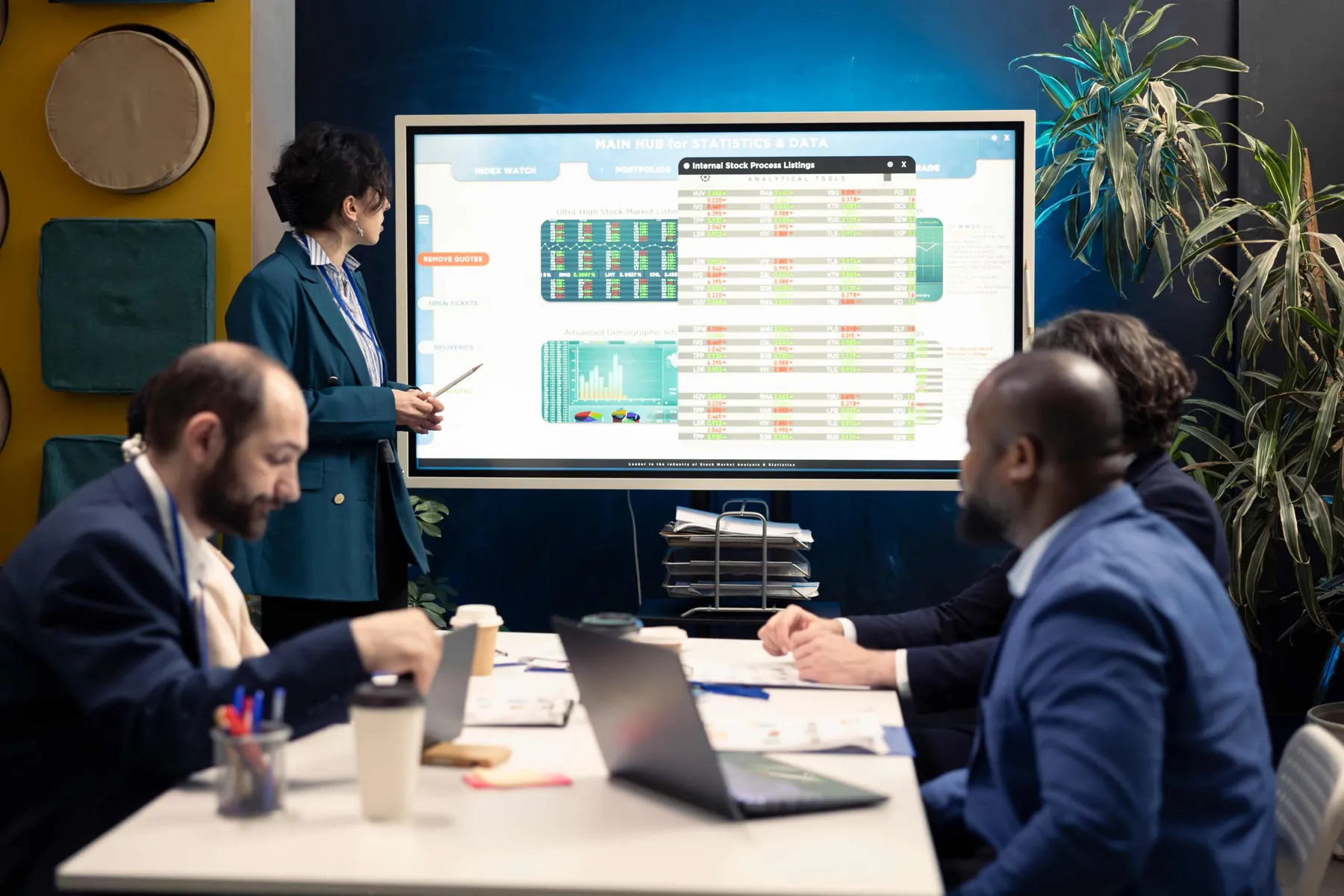
Six areas. A room project touches all of them.
Room types by size and use, from a two-person huddle space to a boardroom or a training room, each with a defined equipment list, layout and cabling.
Microphone coverage, speakers, echo cancellation and the room acoustics underneath them. Audio decides whether remote participants can follow the meeting, so coverage is designed for the seats people actually use.
Camera placement and framing, display size for the viewing distance, and content sharing from a laptop or from the room itself.
The meeting platforms your organization uses, and joining meetings hosted by others. Boards, agencies and partners do not always use the same platform, so we plan for rooms that can join more than one.
Touch panels, room booking, occupancy information and the signage outside the room.
Updates, health monitoring and troubleshooting from a central console, so rooms at remote sites can be supported without a visit.

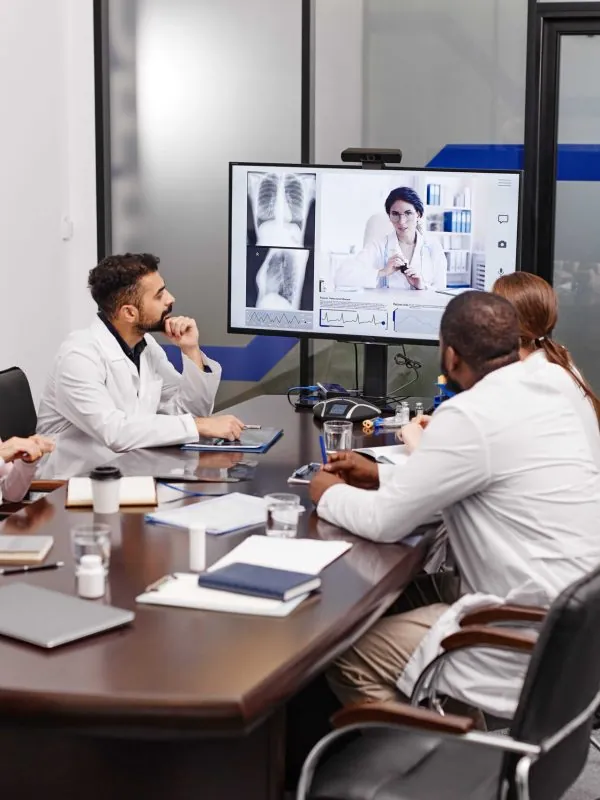
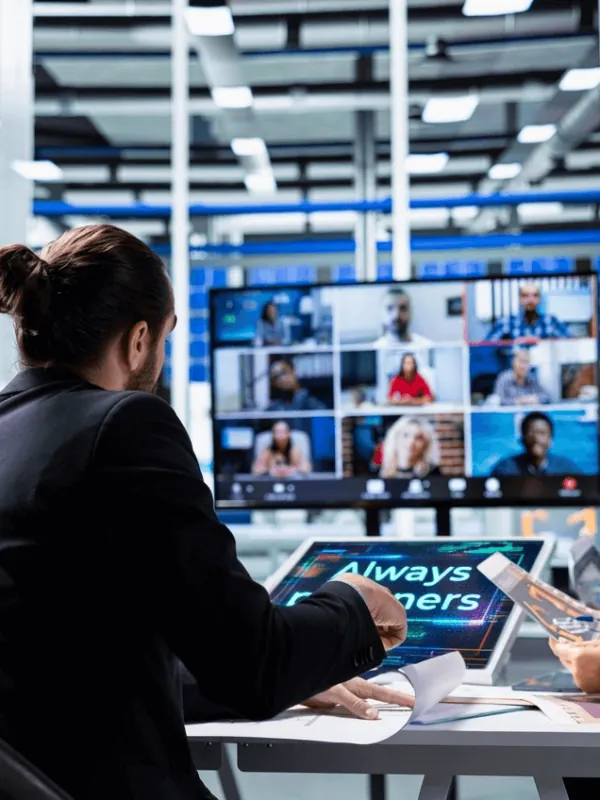
Rooms look much the same from sector to sector. Who is on the other end of the call is what changes.
Council and board meetings with members in several communities, and training delivered across a region.
Meetings and training across facilities, in rooms that also have to respect clinical privacy.
Public meetings with remote participation, assembly chambers and training rooms.
Board rooms and subsidiary offices in several states, brought onto one room standard.
We hold partner relationships across the meeting room and video industry, and our engineers also work in platforms we do not sell. A project starts on whatever is in your rooms now, whoever supplied it.
We do not publish comparisons between manufacturers. Which platform suits an organization is something an assessment works out, not something a website should decide.











We measure how this site is used, and we share visit data with Apollo, a third party who identifies the company behind a visit so we can follow up on genuine interest. This runs unless you decline. No advertising profiles are built. How this works