


Collaboration, Unified Communications and Contact Center

What We Do

Trybus Solutions designs, installs and supports business communications systems. That covers phone systems, meetings and messaging, contact centers, and the technology in meeting rooms.

Most of our work starts for one of a few reasons. A system is coming up on end of support. A carrier or platform contract is up for renewal. An acquisition has left an organization running two of everything. Or a contact center has outgrown what it was built on.

Our clients usually have their own IT team. We are there for the parts that need people who have done this before, and to take the load off a team that already has a day job.

Woman wearing headphones taking part in an online meeting
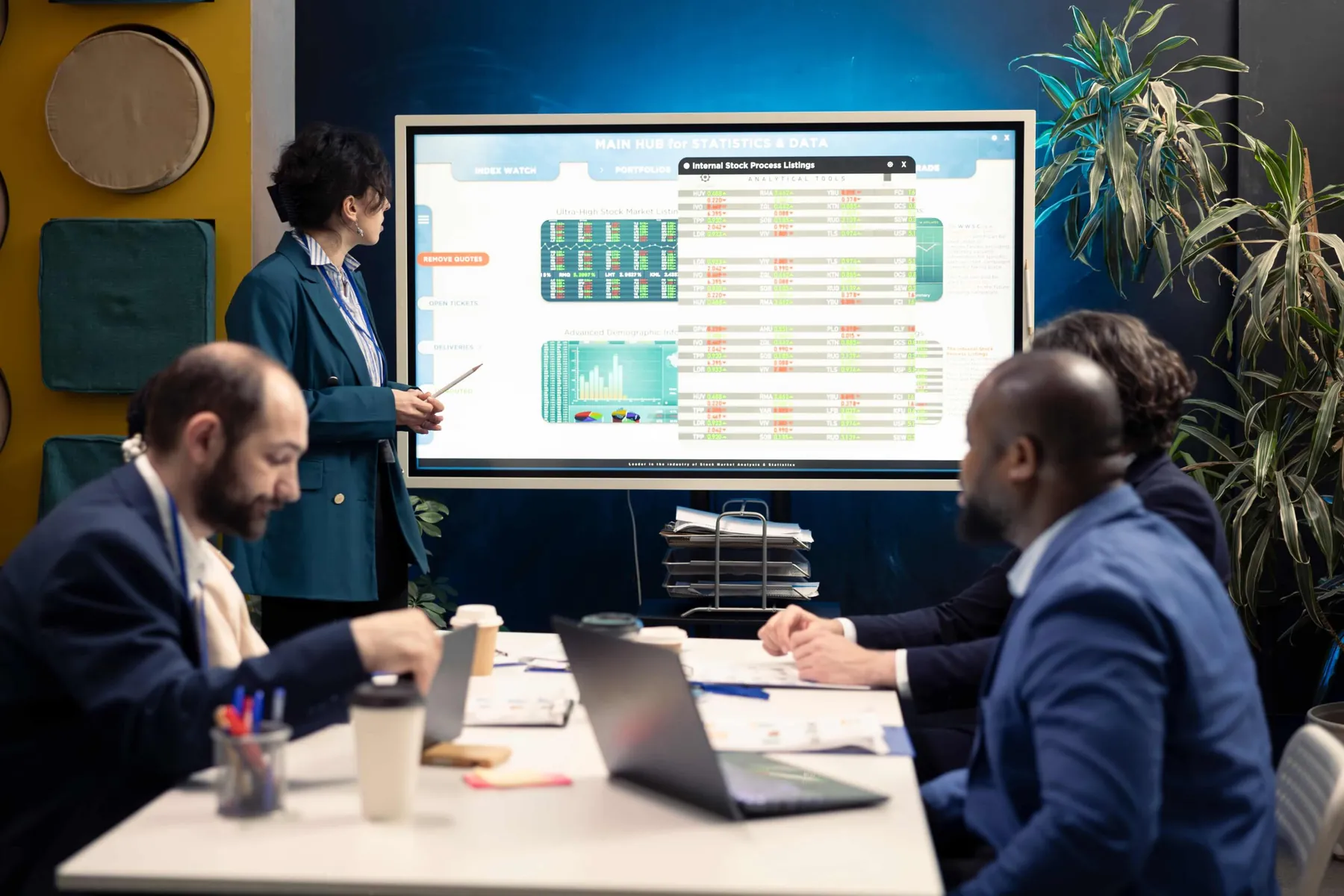
Team reviewing information across several screens

Why Clients Bring Us In

What You Get

Scope varies. A single-site phone replacement does not need the same documentation as a twenty-site migration with a contact center attached. Below is what we produce on a typical mid-size project. We agree which of it you actually need during scoping.

Everything we produce is yours. If you take the design elsewhere to be built, it will be complete enough for somebody else to build it.

Project team walking through a design review before build

The Systems We Work On

Six areas. Most projects touch more than one of them.

01

Phone Systems and Calling

Dial plan and numbering, connectivity to the public telephone network, SIP trunking, session border control, and emergency calling. Cloud, on premises or a mix of both. The questions are much the same either way: how a call gets routed, what happens when a link goes down, and where an emergency call lands.

02

Contact Center

Routing and queues, agent and skill design, integration with the systems agents work in, reporting, and call recording where it is required. Contact center is usually the hardest part of a communications project and the part with revenue attached, so we scope it on its own and price it separately.

03

Meetings and Messaging

Most organizations end up with more meeting and messaging tools than they need, usually because departments bought separately. The work here is licensing clean-up, external sharing and guest access policy, retention, and moving history across in a way people can live with.

04

Meeting Rooms

Room standards by size, audio coverage, displays, cabling, control and scheduling. Standardizing rooms is worth more than building one very good room. Support gets easier, the next set of rooms becomes a purchase order instead of a project, and people can walk into any office and start a meeting.

05

Analog and Legacy Endpoints

Elevators, fire panels, overhead paging, gate phones, fax and alarm circuits. They outlive every platform around them and a lot of them are tied to life safety. We inventory them early, because they are the most common reason a cloud calling project stops short of finished.

06

Running Old and New Side by Side

Few organizations move everything in one weekend. Most run the old and new systems together for a while, with sites in different states. Planning that period deliberately, so people on either side can still call each other and find each other in a directory, is a large part of making a phased migration work.

Video meeting with participants joining from several locations
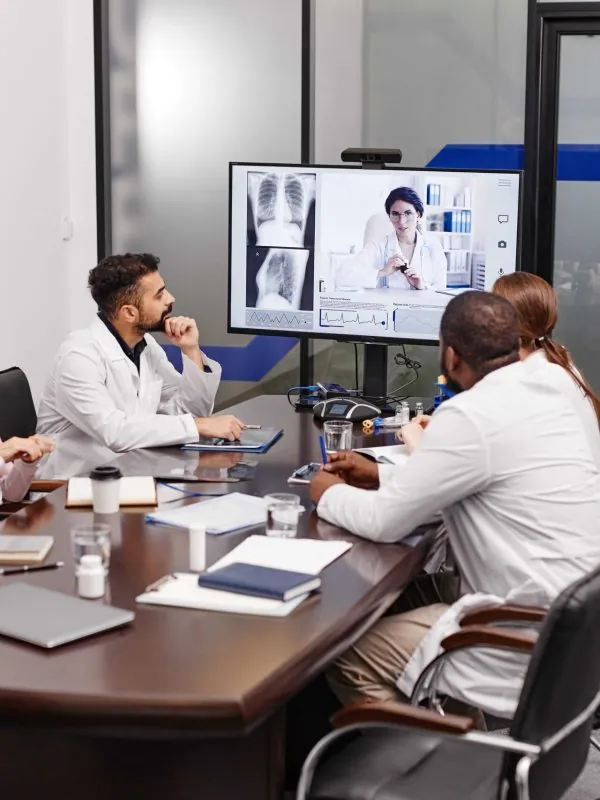
Group of clinicians listening to a colleague in a meeting room

How a Project Runs

Broadly the same shape whether it is one site or forty. Timescales depend on the size of the estate, carrier lead times and how much of your team is available.

What Is Quoted Separately

Most of what is below is work we do. It is not part of a communications project by default, because each piece carries its own scope, its own schedule and its own cost. If you want any of it included, say so at scoping and we will quote it in. The last one is different: it is work we do not do at all.

Contact center agent wearing a headset on a customer video call
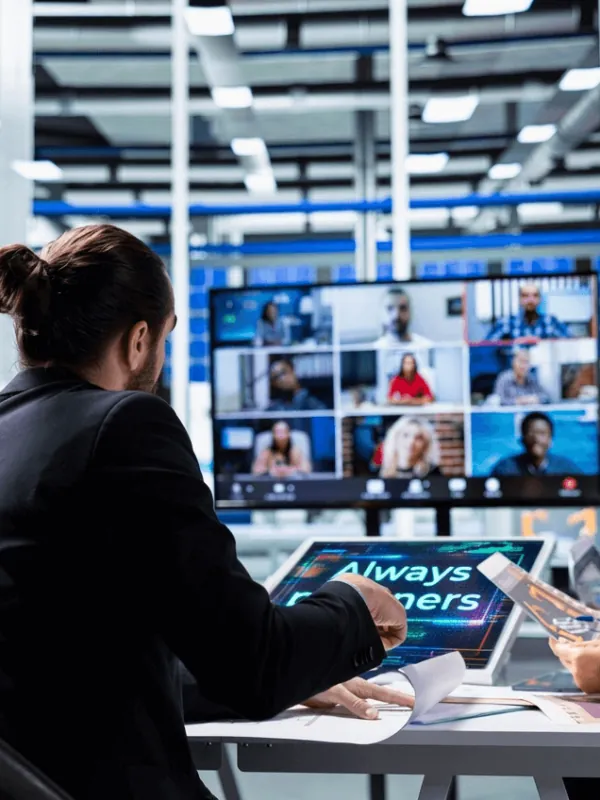
Person in a meeting room joining a video call shown as a grid of remote participants on a large display

Industries We Work In

The technology does not change much between sectors. The order of priorities does.

Technology We Work With

We hold partner relationships across the technology industry, and our engineers also work in platforms we do not sell. A migration starts on whatever you are running now, whoever supplied it.

We do not publish comparisons between manufacturers. Which platform suits an organization is something an assessment works out, not something a website should decide.

  • Cisco logo — Trybus Solutions technology partner
  • Webex logo — Trybus Solutions technology partner
  • Microsoft logo — Trybus Solutions technology partner
  • CallTower logo — Trybus Solutions technology partner
  • Intelepeer logo — Trybus Solutions technology partner
  • Imagicle logo — Trybus Solutions technology partner
  • Kurmi logo — Trybus Solutions technology partner
  • Singlewire logo — Trybus Solutions technology partner
  • Percipia logo — Trybus Solutions technology partner
  • Poly logo — Trybus Solutions technology partner
  • Logitech logo — Trybus Solutions technology partner
  • Shure logo — Trybus Solutions technology partner
  • Samsung logo — Trybus Solutions technology partner
  • LG logo — Trybus Solutions technology partner
  • AppSpace logo — Trybus Solutions technology partner

See all technology partners →

Talk to Us About a Project

Tell us what you are running, how many sites it covers, and what date is driving the timeline. We will tell you what we think needs doing and what does not, and put a scope and a number against it.